The Masquerades
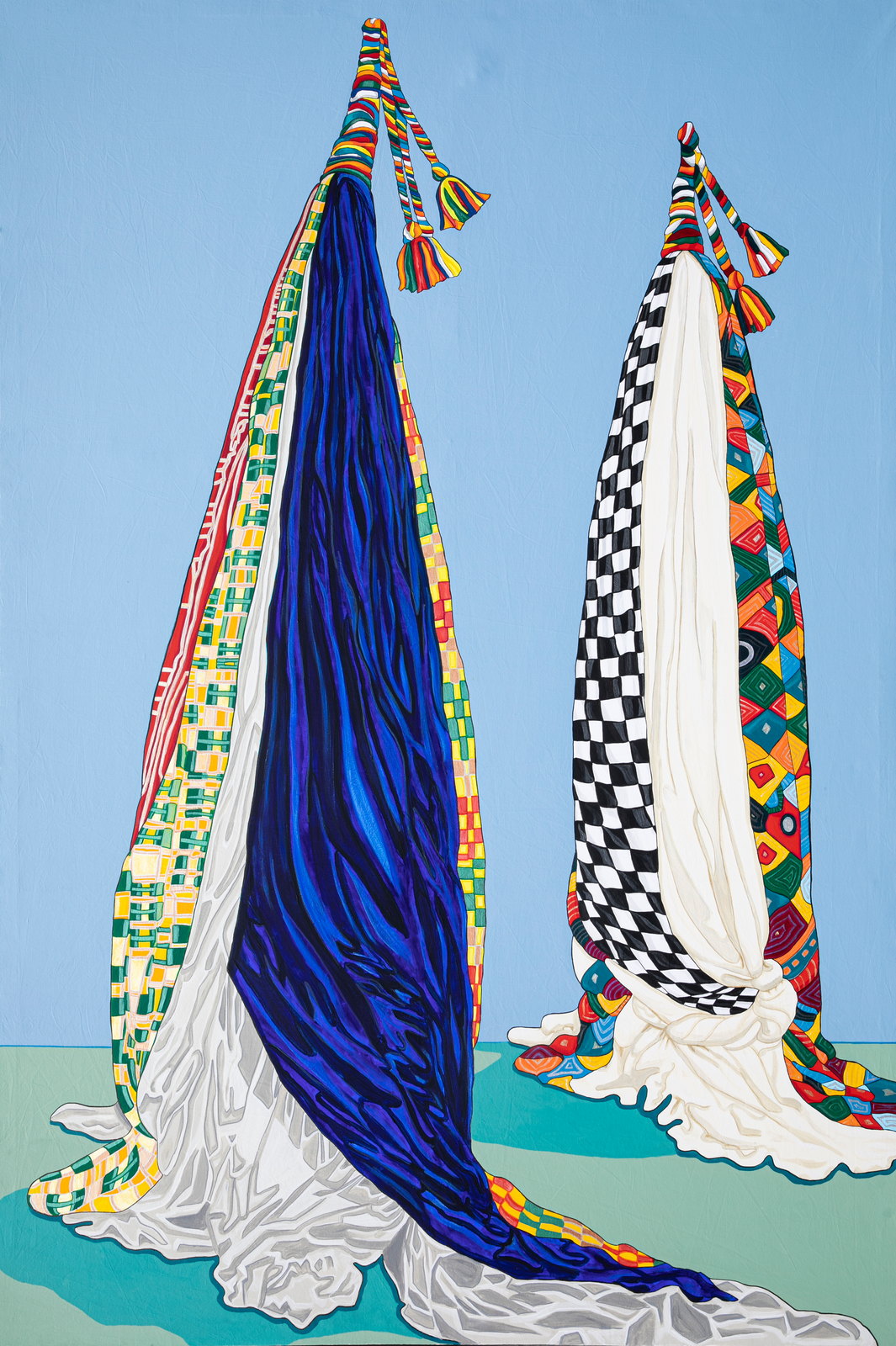
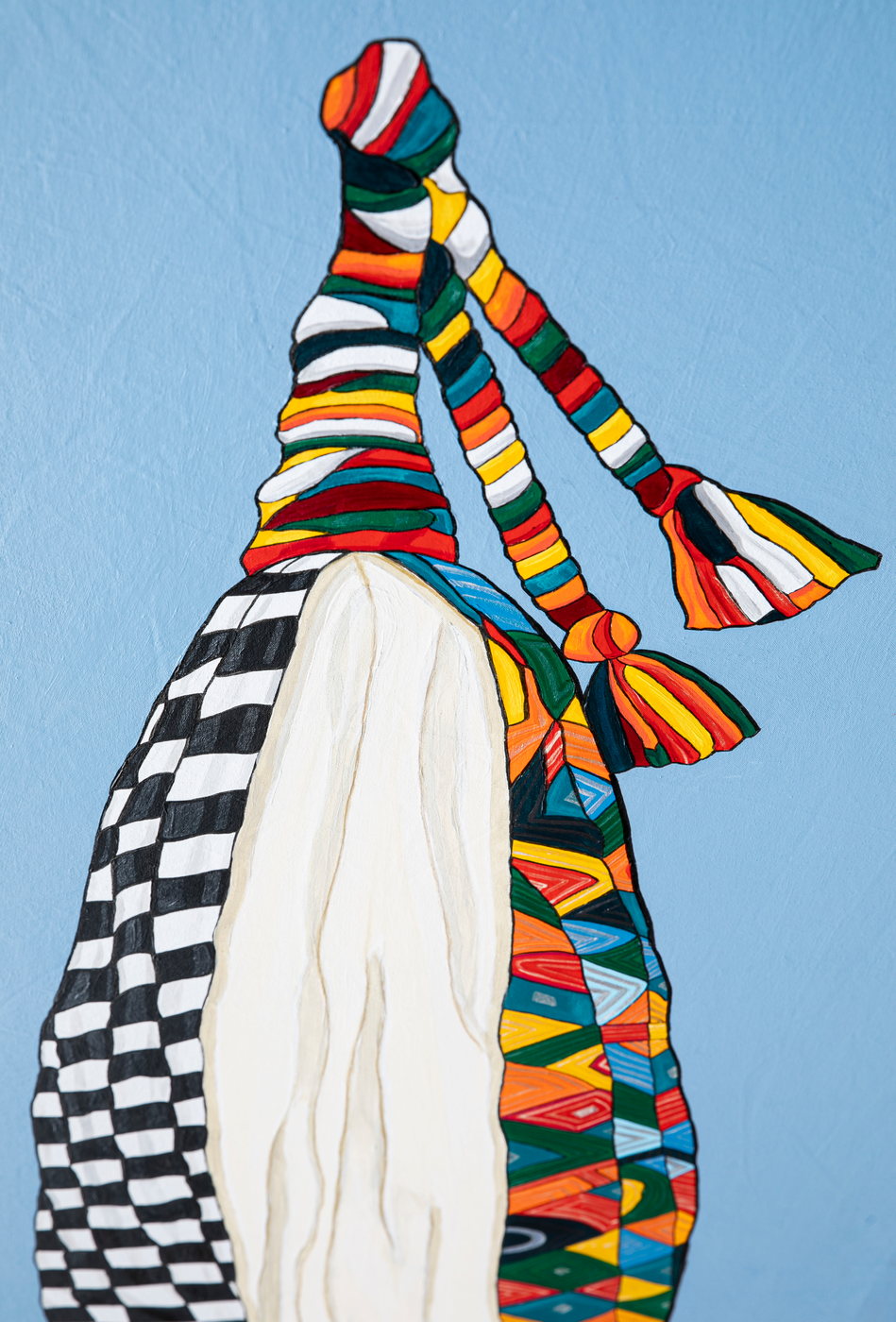
The Tall Ghost, also Mmuo Avia
2026 · Acrylic and ink on canvas · 9 × 6 ft
Mmuo Ogonogo, or Mmuo Avia, is among the highest-ranking masquerades in Onitsha. Known affectionately as Goomenti, Government, it acts as custodian, watchdog and enforcement arm of custom, maintaining checks and balances over both the monarchy and the town. Its authority is spiritual, moral, social and political: it checks political cruelty and holds the line of social and legal order.
Its duties are grave. It carries sacred funerary rites, maintains discipline and morals, and initiates young boys and women past menopause into the masquerade cult. It is the community's enforcement and its conscience. Alone among the masquerades, it may dethrone an Obi once it sits upon its throne, the ukpo; its verdict is final and cannot be appealed. Its presence commands total silence, above all at traditional burials. It chants like a nightingale, soberly or joyfully, before returning to the world of the dead.
Its lineage is traced to Igala, the maternal home of Obi Ezearoli, the eighth Obi of Onitsha and a grandson of the Attah of Igala. Oral history holds that Ezearoli returned from exile with members of his mother's people and their egwugwu, settling them at Obikporo. Through this history, Mmuo Ogonogo carries both Igala ancestry and a distinctive place within Onitsha's institutions.
In the work
REWA paints the Tall Ghost as majesty, restraint and institutional power: a presence whose covered face, pooled cloth and disciplined silence carry more weight than another masquerade's noise.
It acts against serious breaches of custom and may take part in the punishment, ostracism or banishment of offenders. The source tradition also associates it with marital enforcement, including sending a persistently disobedient wife back to her father's home. Its arrival commands total silence, especially at traditional burials; it may halt other performances and, by some accounts, even the royal drums, Egwu Ota.
Mmuo Ogonogo may personify or recall a deceased spiritual head, village elder or red-cap chief, keeping the memory and authority of the departed present among the living. Its meaning lies in continuity, rebirth and ancestral power: the conviction that those who have gone before continue to watch, protect and guide the town.
The making and first outing of a new Mmuo Ogonogo sustain a specialised economy and a communal rite of their own. Trained makers hold the knowledge required to erect the tall, concealed structure and are paid for that expertise. A newly completed masquerade is welcomed publicly, with joy, gifts and rites of passage that may include the initiation of young boys. Its construction therefore renews not only an image of ancestral authority, but also the network of makers, patrons and initiates through whom the institution survives.
Detail
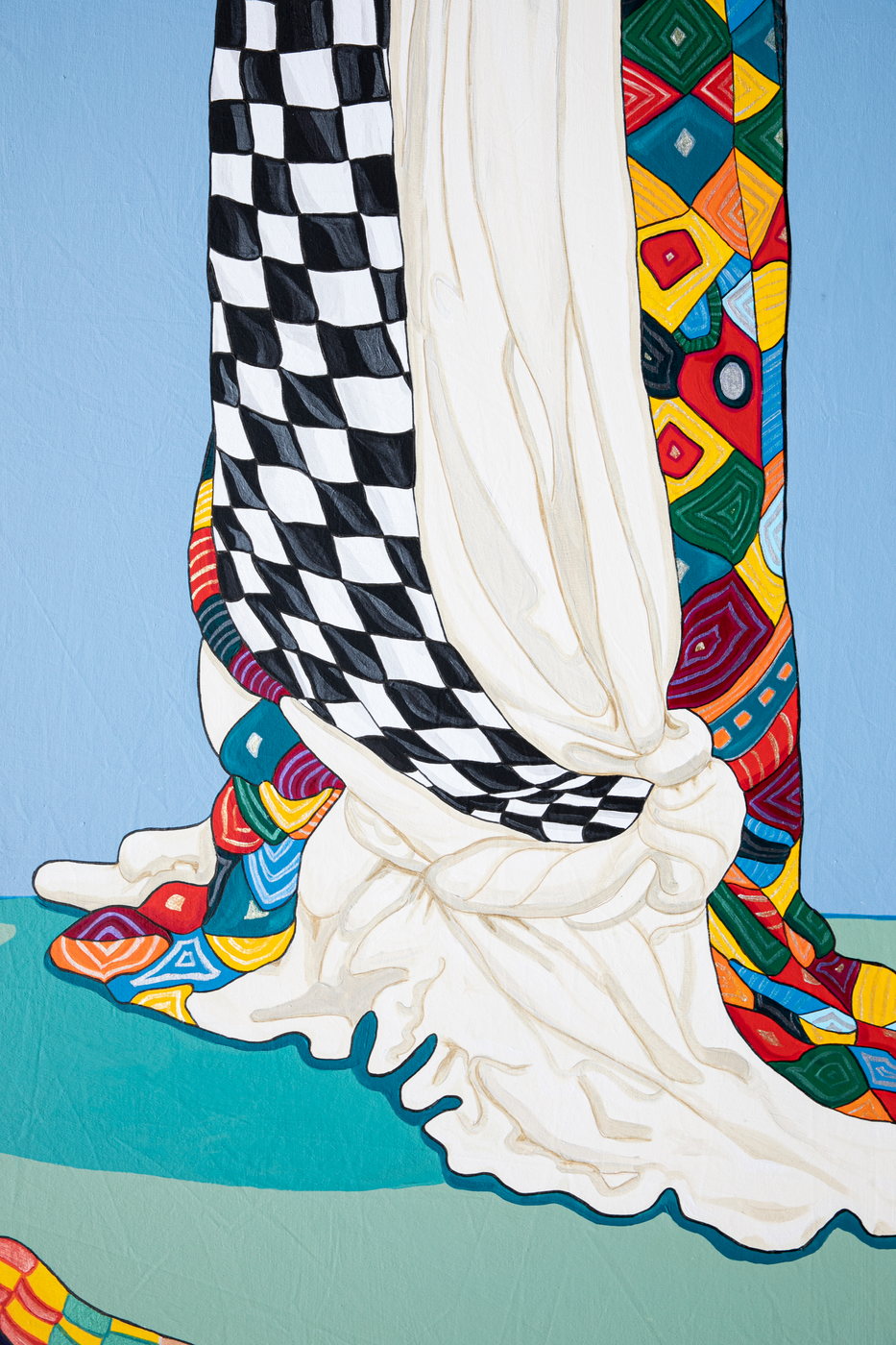
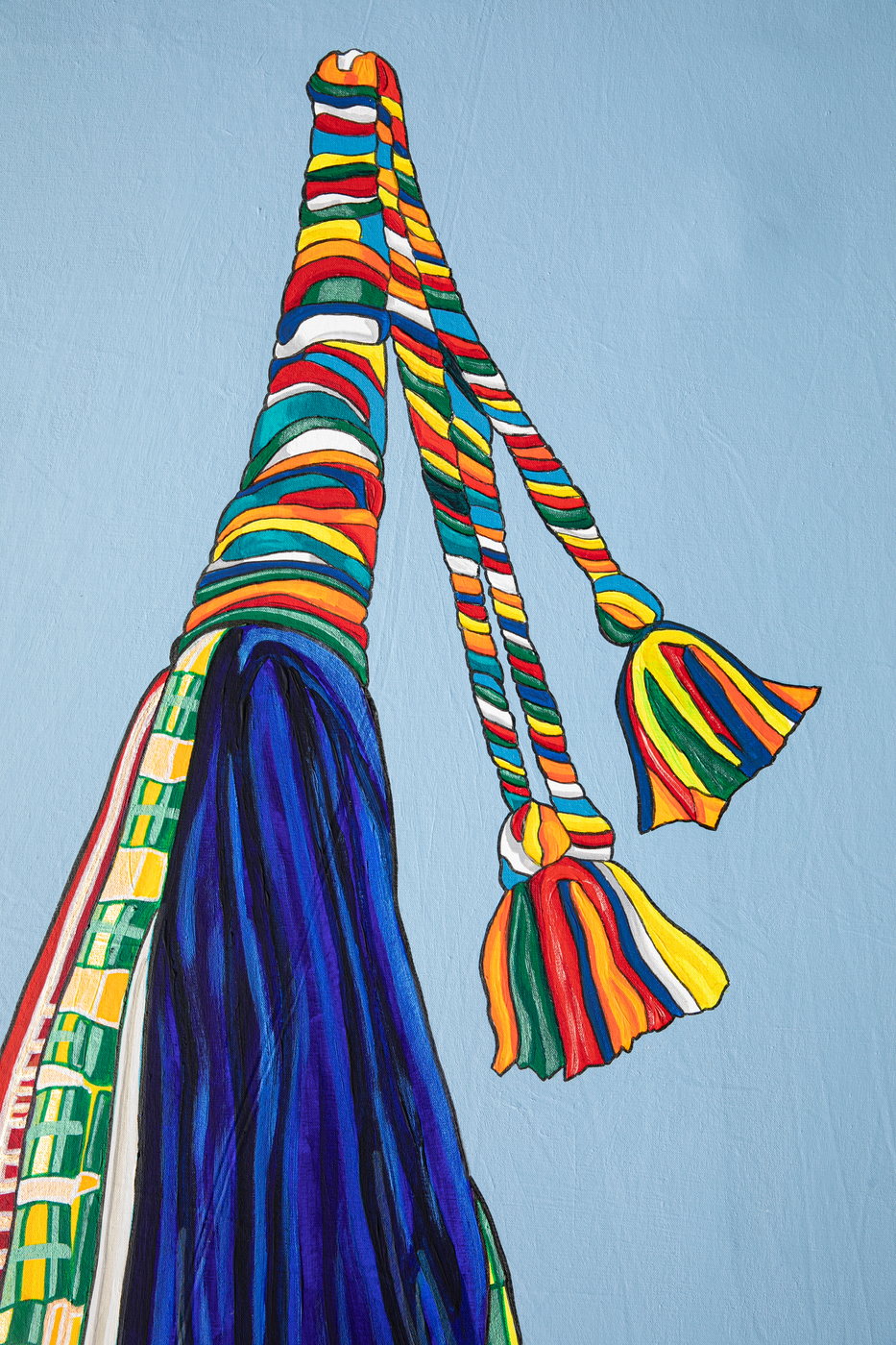
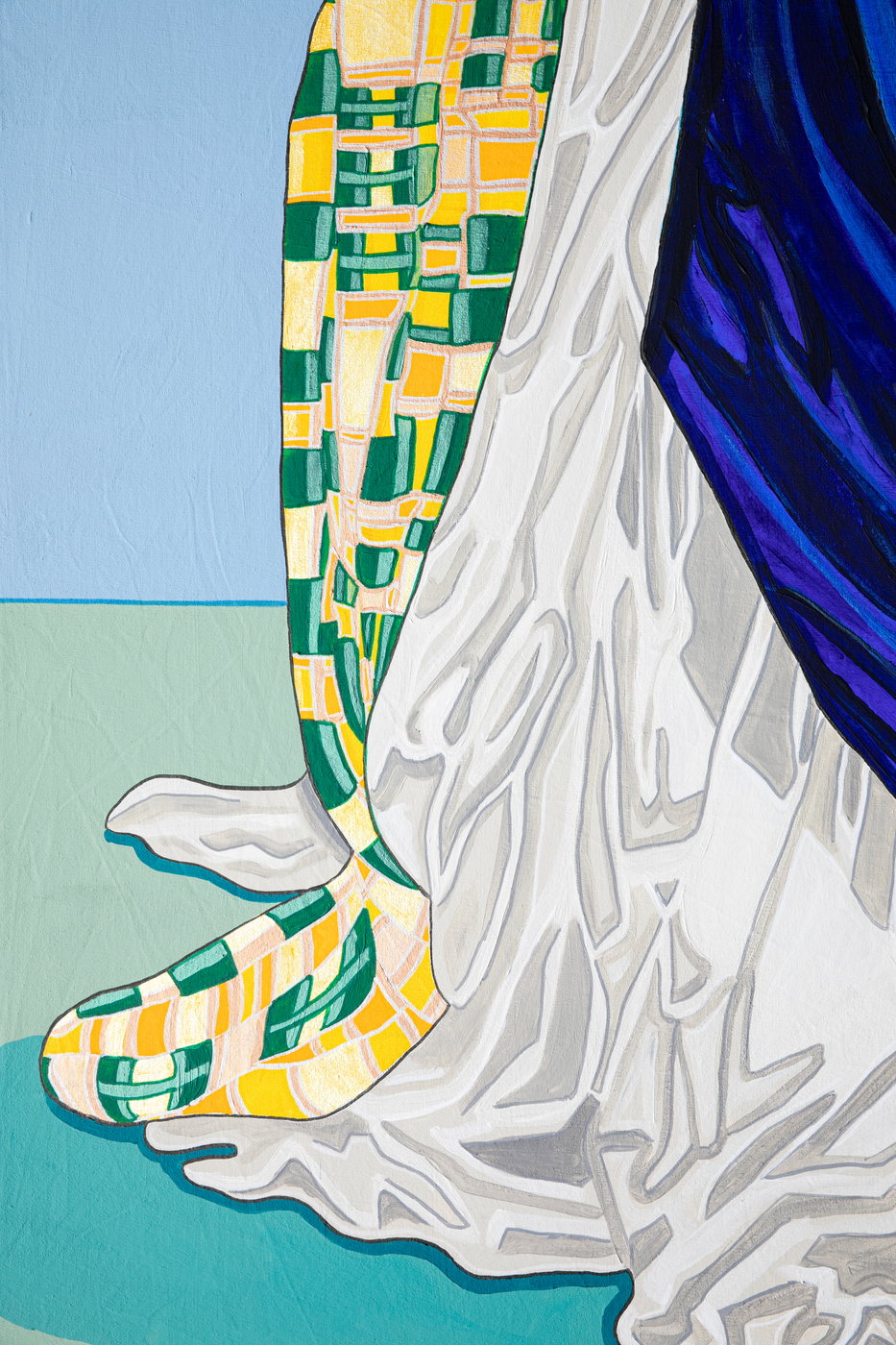
4 detail photographs of Mmuo Ogonogo. Click any image to open it full screen, then swipe or use the arrows.
To enquire about Mmuo Ogonogo, or for press and curatorial requests:
Enquire →